The $20 Plant With a $0.20 Product Description
Would you spend $20 on a product if you don’t know what to do with it? I guess not. But that’s exactly what we expected from customers in a garden center. The lack of accessible information can be surprising in garden centers, and if available, it’s often hidden on a small label.
In this blog, we break down the challenges consumers have when they are buying plants in a garden center. And of course, we also give tips on how to overcome these challenges.
Reality check
I walked into a garden centre in the US and spotted this price sign:
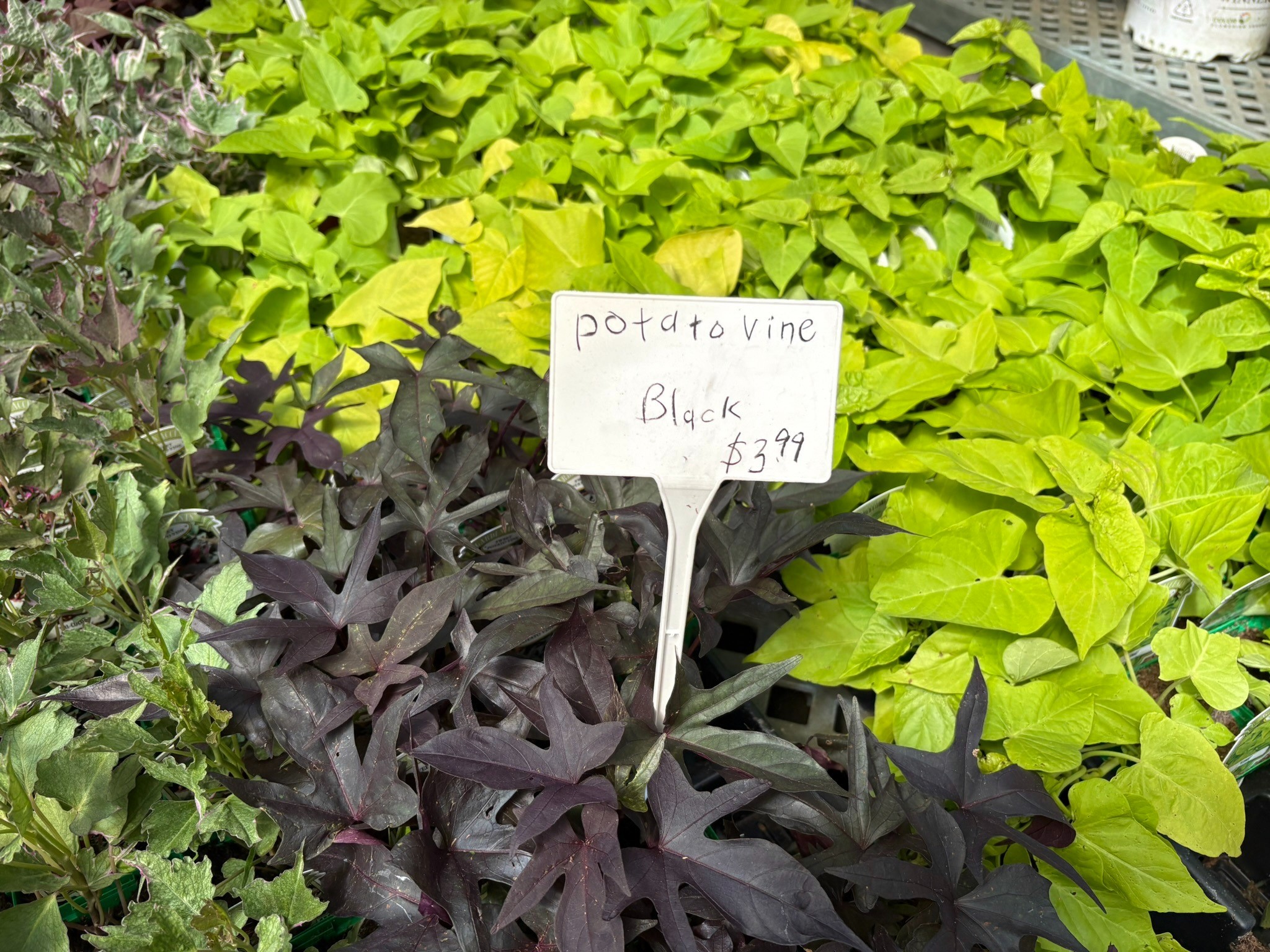
It’s a product with a price, but this is not helpful if you don’t have a lot of plant knowledge. Why do we expect customers to buy this plant without knowing how to care for it, how it would look and if it will thrive after a harsh winter?
Even worse: if you have a cat or young kids, you would be reluctant to buy this plant if you’re unsure it’s toxic.
Yet, we expect customers in a garden center to figure this out on the spot and spend money on this plant. But that’s not how it works. With a lack of information, consumers are uncertain and uncertainty hurts sales. We surveyed over 700 consumers, and 73.6% of them are looking for care information when buying a plant. Labels and bench cards
The challenge of labels
Luckily, most plants have labels to help consumers. But let’s take a look at this label:
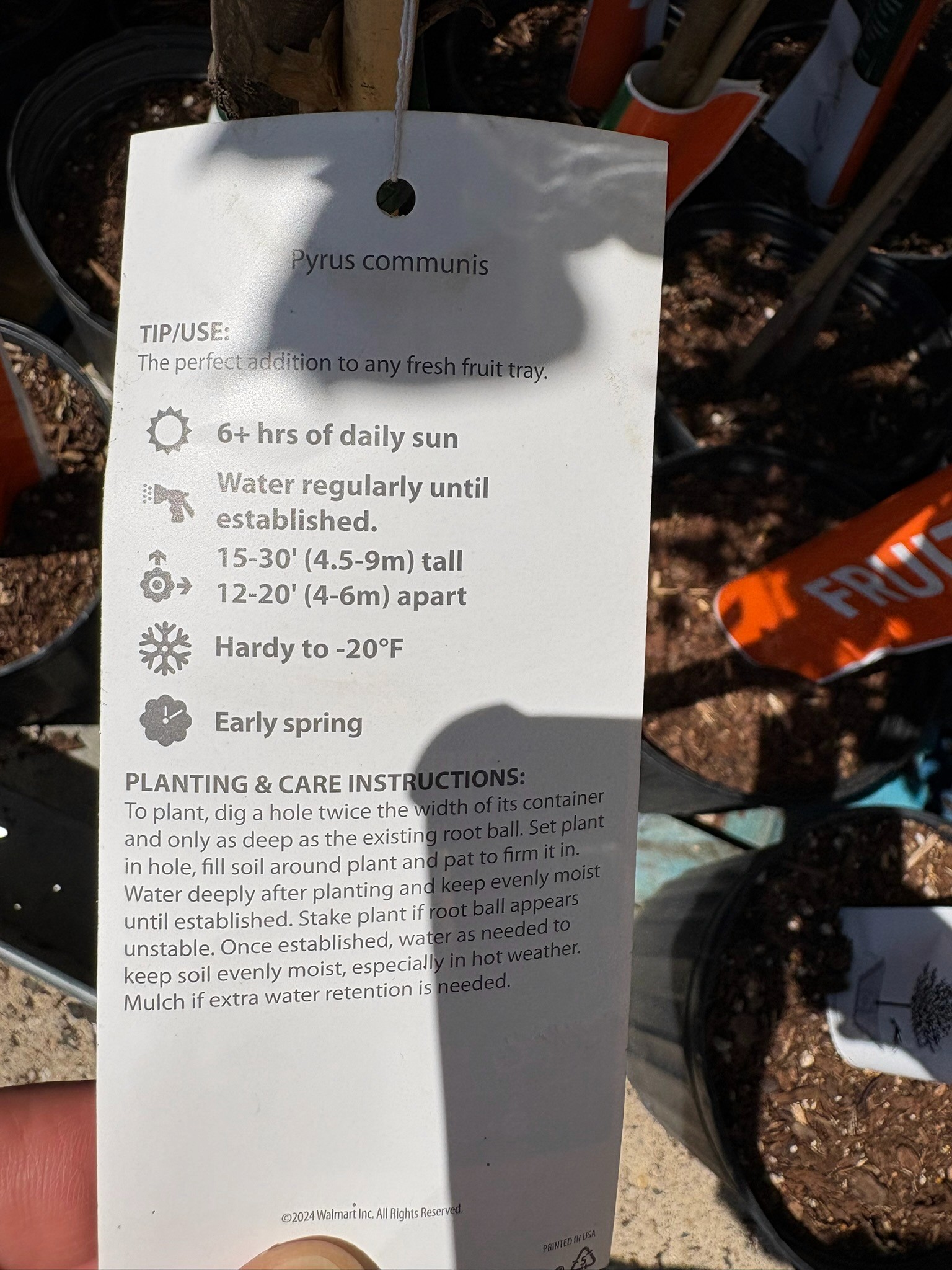
At first glance, it looks good, but it doesn’t answer all the questions.
Is it deer-resistant?
Are the leaves toxic to cats?
When do I need to prune it?
Labels are helpful, but there’s very limited information available. And this creates a paradox: information is available, but the consumer is still not fully informed to make a proper buying decision.
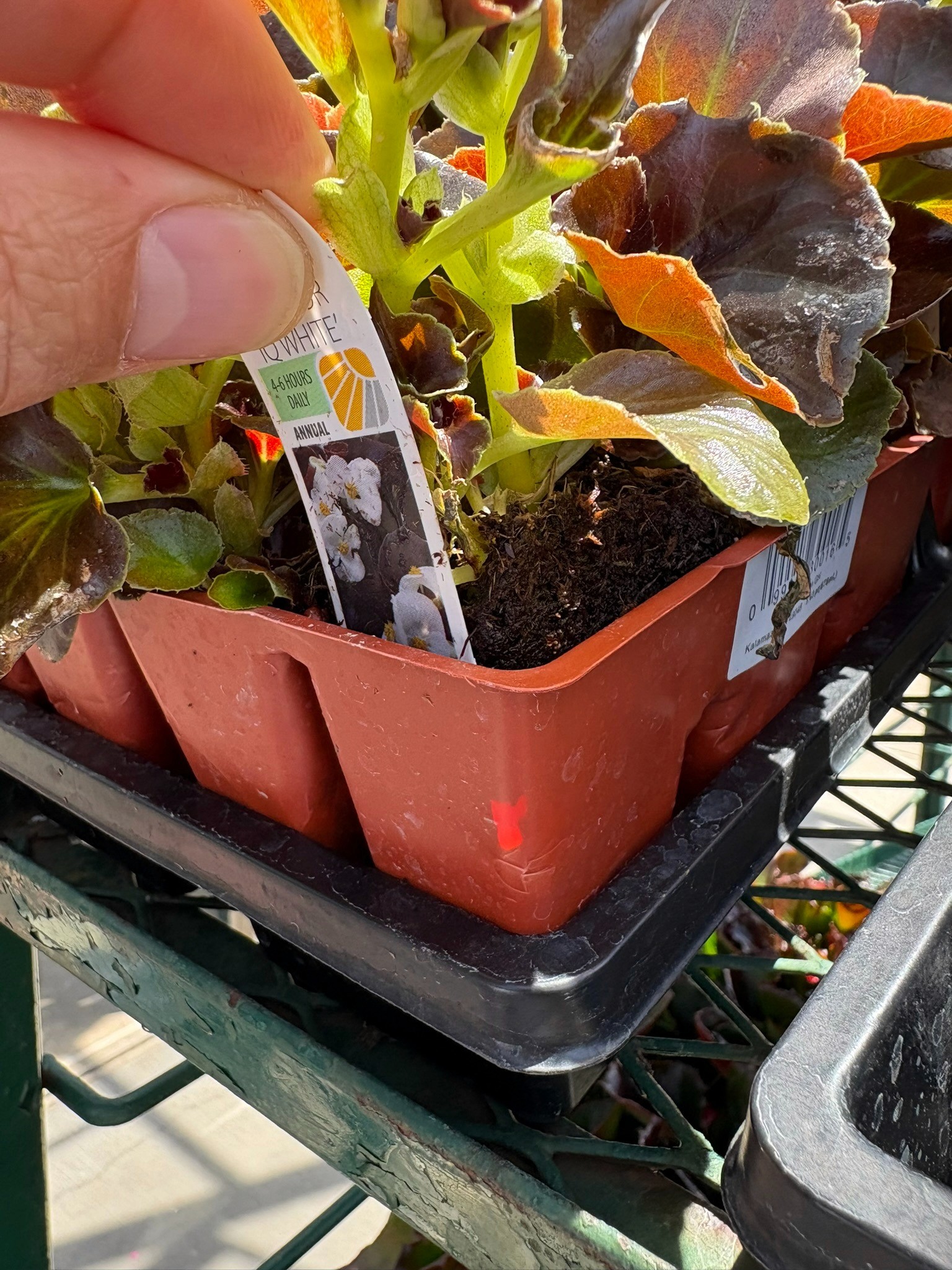
You can also use tags on plants (or your supplier/grower does that for you), but tags are mostly very small. And you can ruin a plant if you pull it out, as I did over here. I accidentally pulled out the entire plant and damaged the roots:
Our research showed that 42% of consumers regretted buying plants due to a lack of information, so perhaps it’s good to ramp up our game as an industry!
With confidence, consumers buy more
A customer doesn’t want poetry or vague labels: they want confidence. They want to know if the plant will survive in their house, garden, balcony, office or shop. They want to know if it grows quickly, if it needs direct sunlight, if it flowers, if it’s beginner-friendly, if it’s toxic to pets, and if it will still look good in three months or how it looks in three years.
If your description doesn’t help them decide, they’ll search somewhere else, or they won’t buy at all.
And that’s how you lose a sale without noticing it.
Yet for many garden centers and nurseries, providing sufficient information is considered a cost and not a sales opportunity. But helping your customers should not be considered a cost but a way to create loyal customers who buy more. Relying on all the different tags from growers doesn’t do the job.
In our survey, over 70% of consumers stated that they would return to a store that provided proper care information compared to a store that lacked plant information.
The problem with “my staff can help customers”

In our industry, most businesses are smaller to medium-sized. Grounded in local communities, staff play a vital role in the customer experience. Do you have a question? Simply ask our staff. They know the local micro-climate, soil types and situations.
That’s also what a store owner told me during my trip.
But how many of your customers can talk to team members about plants on a sunny spring Saturday? Over 55% of consumers had trouble finding members of staff. It’s also well known that some customers, especially younger ones, don’t really want to ask questions. They don’t like to do it, are anxious to be considered dumb or just don’t want to be bothered.
The other challenge? Finding staff with horticulture knowledge is getting harder and harder.
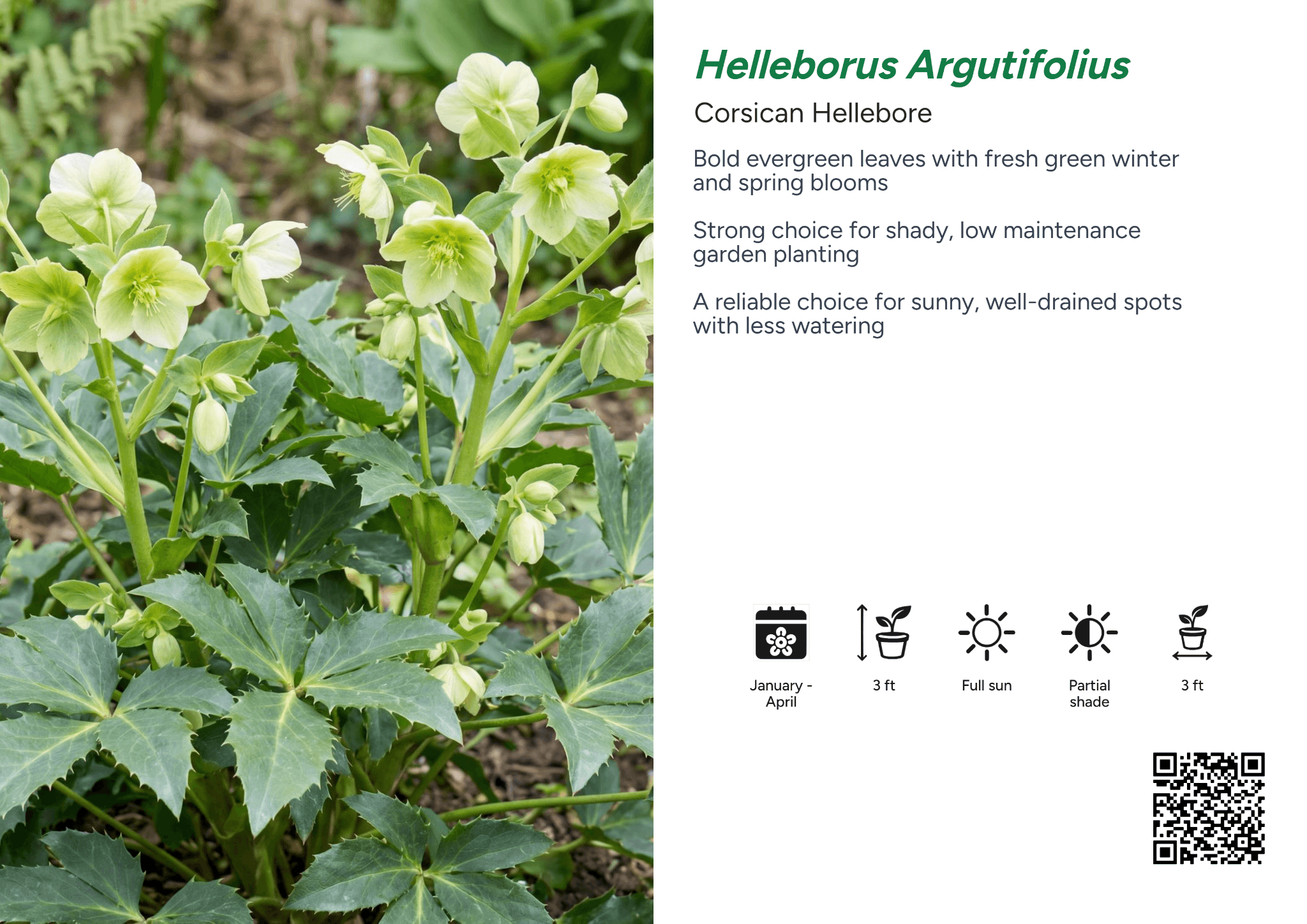
To ensure every customer can get the information they need, even when your staff is busy, you need a silent sales force. That’s where bench cards come in.
Bench cards: closing the gap between label and staff
A label has limited information, and your staff has a wealth of knowledge. The first one is too limited, and the second is not always available. Bench cards can help you to close the gap.
Over 82% of consumers we surveyed are using bench cards while buying plants. They can have more information than a label, but it should still be limited to the must-knows to make the buying decision.
Where can I use it?
How much light does it need?
How much water does it need?
How large will it get?
Does it flower?
Is it easy to care for?
Bench cards give context, it reduces doubt, and it helps the customer decide. Optionally, the QR code gives access to much more information. In our survey, almost 54% of the consumers stated they would use QR codes to look up plant information.
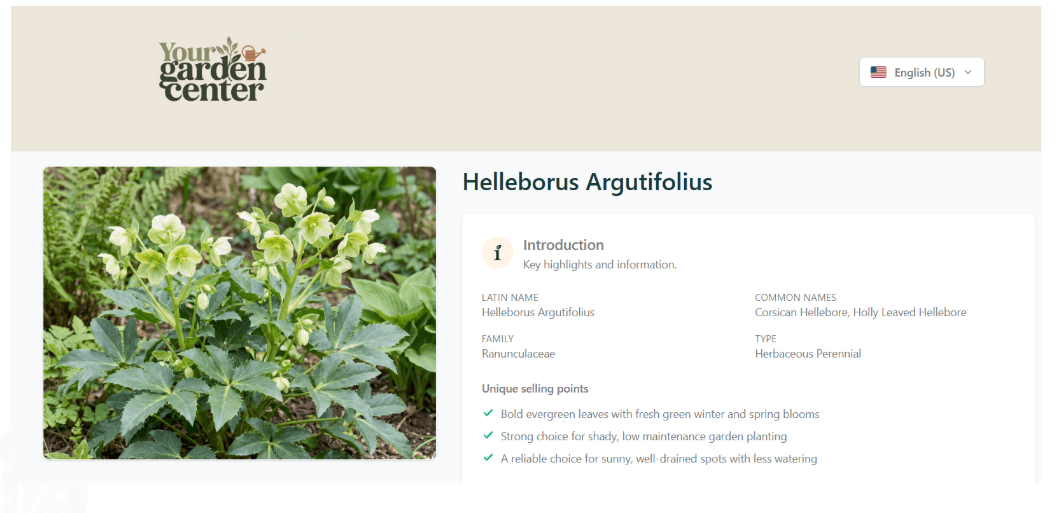
The QR codes from our platform can link to any URL, and we also provide a digital plant finder:
Every lookup makes a customer more informed and engaged, and saves your staff valuable time.
Added value: after-sales care
After planting, the customer likely throws away any labels provided. But in a few weeks or months, they might have a question about the plant. What do you want them to do? Just to Google it and hope for the best?
62% of the consumers stated they would expect their local garden center - often considered a plant expert - to have a website with sufficient information about plant care.
The plant finder helps to explore plants, to make a purchase decision and to care for the plant after buying it.
Plant Data Is Sales Infrastructure
Plant data may sound boring. Photos, names, attributes, care information, categories, descriptions, filters, tags, growth habits, flowering periods, hardiness, usage, height, spread: not exactly cocktail party material or something to brag about. But it’s the information that supports your position in the market, and it helps to improve the customer experience.
So no, plant data is not just boring admin, it’s your silent sales infrastructure. Your plant bench cards are not nice-to-haves but play an essential role in the buying process of novice customers.
Our survey supports this: customers who are well informed are more certain and buy more. Simple as that.
We provide plant photos, plant data and garden centre bench cards, so retailers, growers and garden centres can give customers better information, both online and in-store.
Your $20 plant looks great, but deserves more than a $0.20 label. Time to get started!