Garden Centers May Be Losing Sales at the Bench, New Survey Shows
During peak season, 92.3% of US consumers say clear care information would make them more likely to buy a plant
May is one of the busiest and most commercially important months of the year for garden centers. Yet new consumer research suggests that many sales may be lost at the bench, simply because customers do not have enough clear plant information at the moment they are ready to buy in a store.
This problem doesn't get noticed since it's only indirectly affecting sales. Yet, it's putting pressure on margins and revenue.
Clear information removes doubt
In April 2025, Open Plant Data surveyed 668 US consumers about how they buy plants in garden centers. The results show that uncertainty is a major barrier in the buying process. 92.3% of consumers say clear care information would make them more likely to buy a plant, with 73.6% answering “yes, definitely” and 18.7% answering “probably”.
“Many garden centers focus on stock, staffing and logistics in May. That makes sense, but they often underestimate how much revenue is lost because customers are unsure whether a plant is right for their garden,” says Edwin Meijer, Founder of Open Plant Data. “When a customer is unsure about sunlight, care, hardiness or growth, there is a real chance the plant stays on the bench.”
Staff advice matters, but is not always available
The survey also shows that customers still value human advice. 32.6% say advice from staff helps them most when buying a plant. But staff are not always available, especially during peak season. 56.5% of consumers say they have had trouble finding knowledgeable staff in a garden center, either sometimes or frequently.
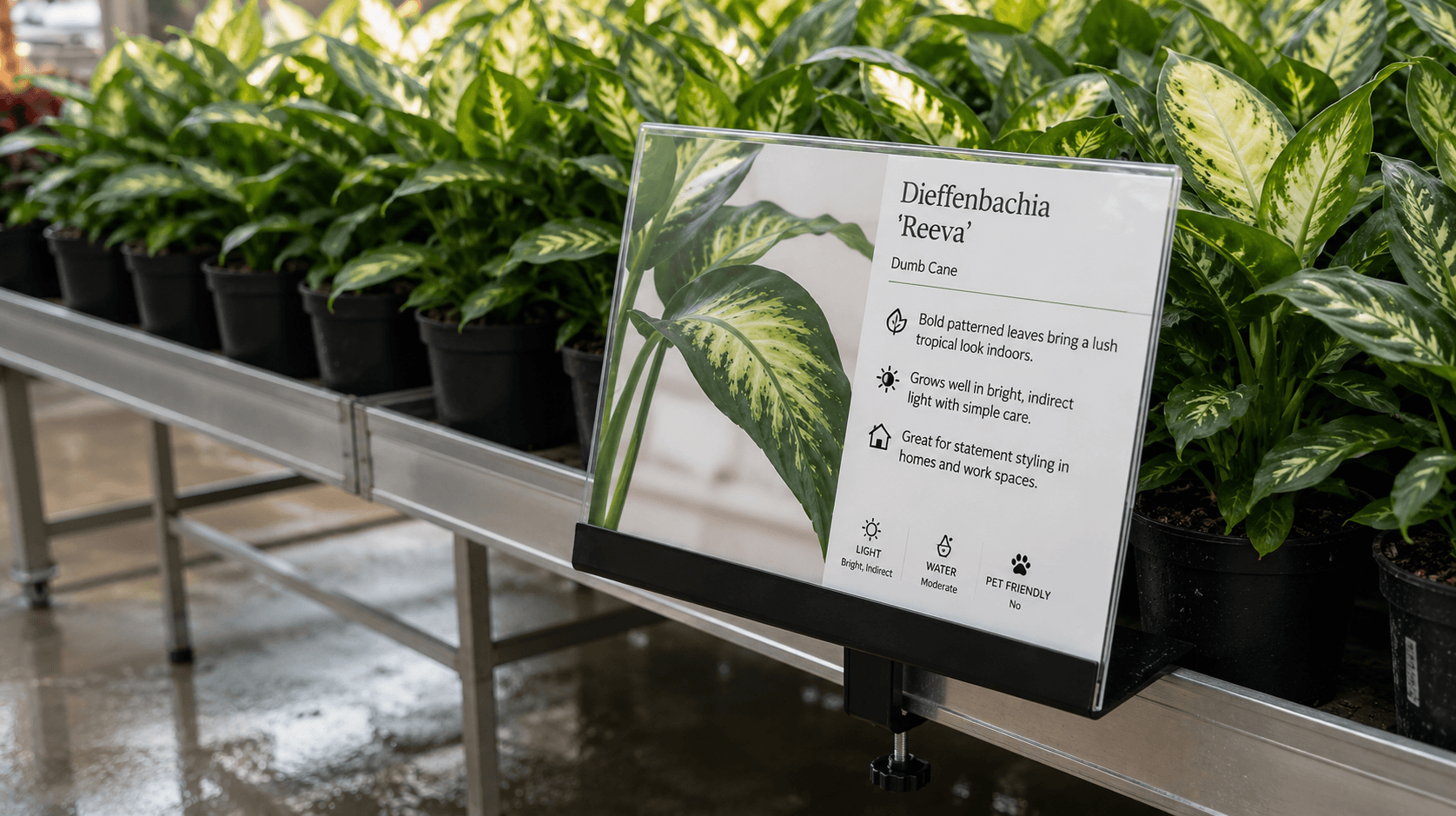
That makes clear in-store and online information essential. 71.7% of consumers say they read bench cards to learn more about a plant before buying it, while another 26.1% do so sometimes. Only 2.2% say they never read them.
Plant information is a sales tool
When asked what would make them more likely to buy a plant, certainty was the strongest factor. 55% said knowing the plant will grow well in their garden would make them more likely to buy it. Other important factors include clear care information (27%), information tailored to their hardiness zone or climate (23%) and inspiration on how the plant will look later (22%).
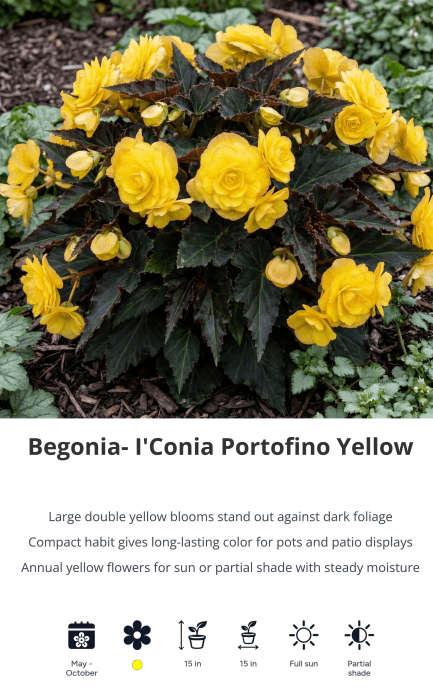
“This shows that plant information is not only educational, but commercial,” says Meijer. “Customers do not buy plants because data is available. They buy because the right information removes doubt.”
Online and in-store should work together
Open Plant Data provides garden centers and growers with structured plant data, cultivar-realistic plant photos, hardiness zone-specific information, an online Plant Finder and tools for in-store POS and bench cards. The platform is designed to make plant information scalable, consistent and commercially useful, both online and on the shop floor.
“The question is not whether customers want plant information,” Meijer concludes. “The question is whether garden centers provide it at the exact moment customers are ready to buy.”
About the survey
The online consumer survey was conducted in April 2025 among 668 consumers in the United States. The survey focused on plant information, bench cards, care information, staff advice and online information in the plant buying process.