Plant Photo API
In garden retail, images sell plants before words do. Whether a customer is browsing online, standing in front of a digital kiosk, or scrolling through a webshop, the visual representation of a plant strongly influences purchasing decisions. Yet for many retailers, managing plant photography remains a manual, fragmented and time-consuming process.
A Plant Photo API changes that dynamic. Instead of searching for images, downloading files, renaming them and uploading them into multiple systems, retailers can connect their software directly to a live image feed. Cultivar-specific plant photos are delivered automatically into webshops, ERP systems and POS environments, ensuring consistency and scalability across every channel.
In a digital-first retail landscape, plant imagery needs infrastructure just as much as plant data does.
Why manual plant photo management doesn’t scale
Most retailers begin with a simple approach to plant photography. Images are sourced from suppliers, purchased from stock libraries or collected over time in internal folders. At first, this seems manageable. But as product ranges grow and channels multiply, complexity increases rapidly.
Different systems often require different image sizes. Webshops need high-resolution hero images. POS systems may require print-ready formats. Marketing teams request social media variations. Meanwhile, filenames differ, versions become outdated and older cultivars lack consistent visuals.
This manual workflow leads to structural challenges such as:
inconsistent image quality across products
missing photos for less common cultivars
duplicated files stored in multiple locations
time-intensive updates when replacing or correcting images
As retailers expand into multiple stores or countries, image management becomes even more complicated. Ensuring that every channel displays the correct cultivar image, in the right format and resolution, becomes a continuous operational burden.
A Plant Photo API removes this friction by centralising image delivery and automating distribution across connected systems.
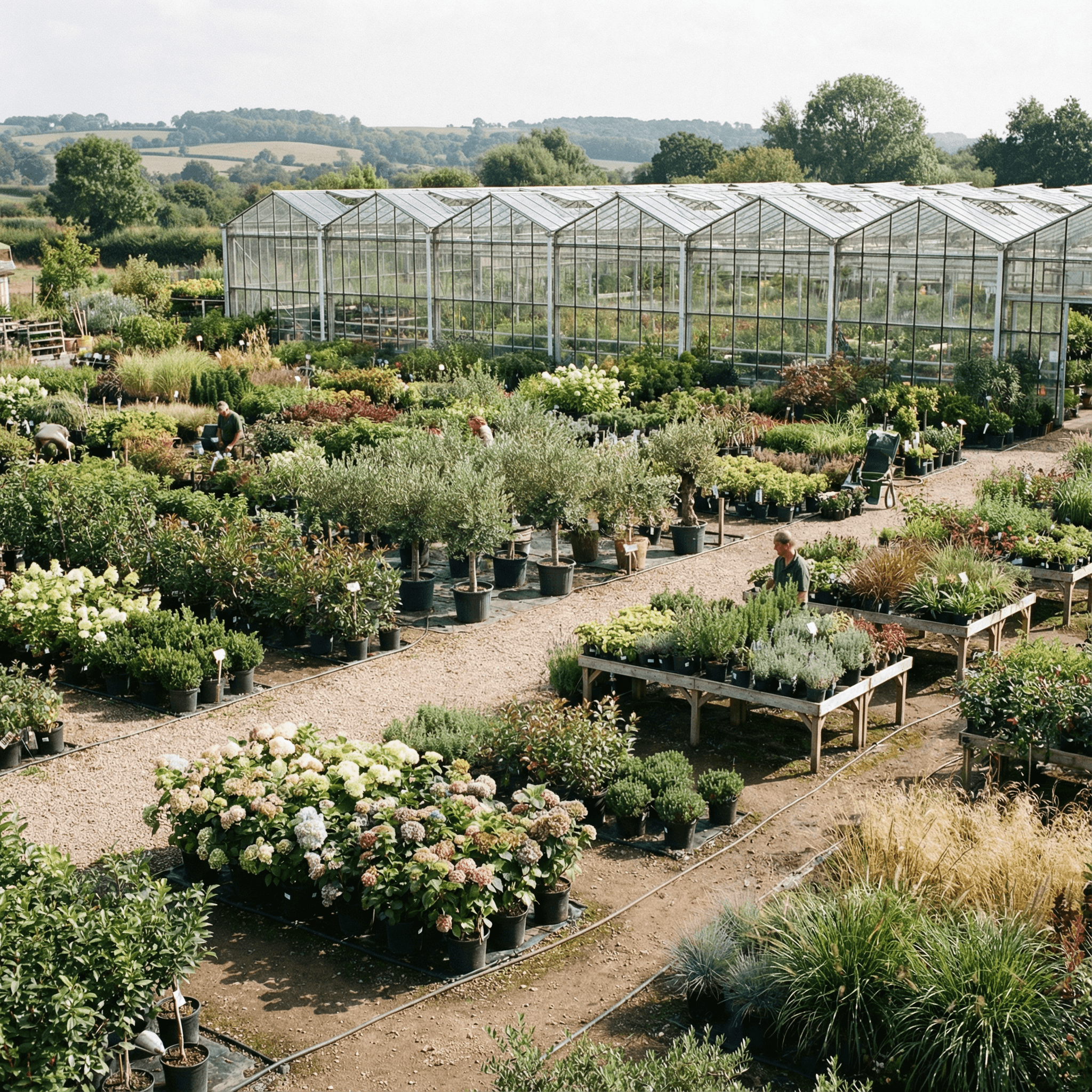


How a Plant Photo API delivers cultivar-specific images
A professional Plant Photo API provides structured access to a continuously maintained image database. Each image is linked to a specific botanical name and cultivar, ensuring accuracy at variety level rather than at general species level.
Instead of uploading static image files, your software retrieves images through API calls. When a SKU is created or synchronised in your ERP or webshop, the system automatically fetches the corresponding cultivar image. This ensures that product pages and in-store systems always display the correct plant.
Because images are delivered through an API, they can be requested in different formats and resolutions depending on the use case. A webshop may require optimised web-resolution images, while a POS or print environment may require higher resolution files. The same structured source supports both.
Cultivar-specific delivery is particularly important in ornamental horticulture. A pink-flowering variety must not be represented by a generic species image. Leaf colour, growth habit and flower shape are key purchasing drivers. An API-driven approach ensures visual accuracy and consistency across thousands of SKUs without manual intervention.

Commercial usage, licensing and automation benefits
Plant photography is not only about aesthetics. It also involves licensing and compliance. Many retailers rely on stock photography platforms where licensing terms are complex, usage rights vary and redistribution is restricted.
A structured Plant Photo API simplifies this landscape by providing commercially licensed images designed for retail usage. Images can be used across:
ecommerce websites
print catalogues and brochures
in-store digital screens
POS systems and bench cards
social media channels
Because the images are delivered through a controlled platform, retailers avoid uncertainty around file ownership and redistribution. There is no need to track individual image licenses across departments.
Automation is the second major benefit. When images are updated, improved or corrected at source, connected systems automatically reflect those updates. Retailers no longer need to manually replace files across multiple platforms. The API ensures that image consistency is maintained over time.
This combination of licensing clarity and technical automation transforms plant photography from a manual marketing task into a scalable operational process.
All the data you need. Every plant, language & location

Plant data
Extensive data of all your plants. Specifications, care tips, cultivation & unique selling points.

Multiple languages
Available in 23 languages and adjusted to your hardiness zone.

25+ specifications
Over 25 datapoints per plant. Height, colour, flowering month, habit & much more.
Connect your website or ERP to a live plant photo feed
Integrating a Plant Photo API into your infrastructure allows you to centralise image management and eliminate repetitive workflows.
Webshops can connect through dedicated plugins or direct API integration, enabling automatic image enrichment for product pages. ERP systems can synchronise SKUs with cultivar-level visuals. POS environments can retrieve images for digital displays or integrate them into printed bench cards.
By connecting your systems to a live plant photo feed, you ensure that every product is visually represented accurately and consistently, whether online or in-store.
In a competitive garden retail environment, professional and reliable plant imagery is not optional. It is essential for customer trust, brand credibility and sales performance.
Integrate a Plant Photo API into your platform and turn plant imagery into scalable digital infrastructure.
Get in touch with us
We look forward to helping you, just send us your questions or comments and we’ll come back to you within 24 hours.