Plant Data API
In modern garden retail, plants are no longer just physical products on benches. They are digital products as well. Every plant needs a complete set of reliable information that appears consistently online, in-store and across internal systems. Customers expect accurate descriptions, flowering periods, mature sizes and climate suitability. Staff need quick access to structured data. And retailers need systems that scale without manual intervention.
A Plant Data API provides that infrastructure. It allows garden centres, nurseries and retail chains to connect their software systems directly to a structured, continuously maintained plant database. Instead of manually copying text between spreadsheets, websites and POS systems, data flows automatically into the tools that run the business.
For retailers that want to grow digitally, structured plant data is not a luxury. It is a foundation.
The problem: fragmented and outdated plant information
In many garden retail organisations, plant information lives in multiple places at once. The webshop might contain one version of a description, the in-store label another, and the ERP system a shortened internal version. Hardiness zones may be missing, flowering times inconsistent and botanical names formatted differently across systems.
This fragmentation creates inefficiency and risk. Staff spend time searching for reliable information. Marketing teams manually rewrite supplier texts. Updates are made in one place but not in others. When expanding to new regions or languages, the problem multiplies. What should be a scalable product category becomes dependent on manual processes.
Common consequences of fragmented plant data include:
inconsistent product information across sales channels
outdated care instructions remaining online
missing climate suitability information
increased manual workload for marketing and IT teams
At the same time, customer expectations are rising. Online shoppers compare plant information across websites. They filter by height, flowering period or sun exposure. They expect climate suitability to be relevant to their region. Without structured data behind the scenes, delivering this level of accuracy becomes extremely difficult.
A Plant Data API addresses this structural weakness by centralising plant information and making it accessible to every connected system in a consistent format.
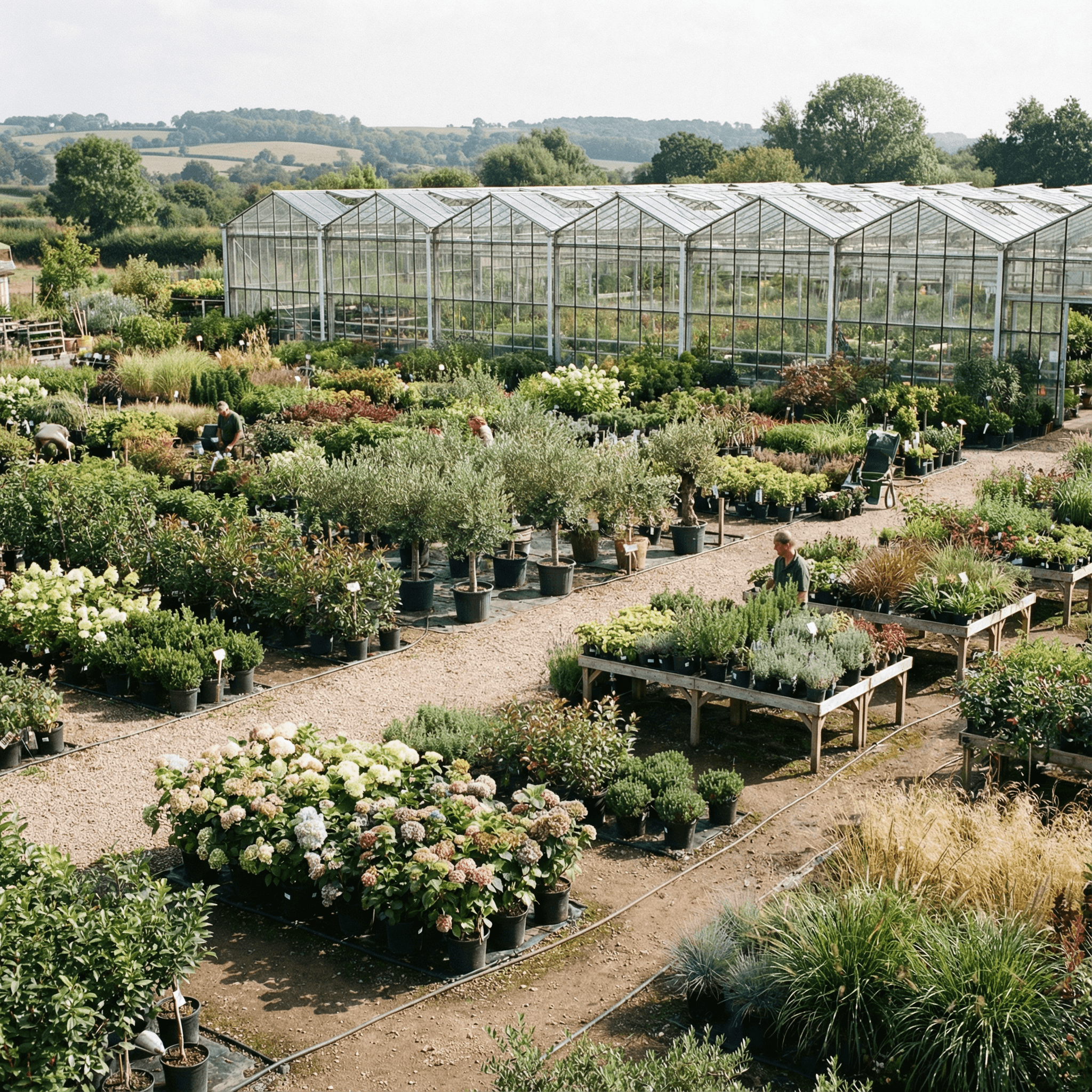


How a structured Plant Data API works
A professional Plant Data API delivers plant information in a structured, machine-readable format. Instead of a single block of descriptive text, the data is organised according to a consistent taxonomy. Botanical names, cultivar names, categories, plant types and attributes are clearly defined. Height ranges, flowering months, foliage characteristics and sun exposure are stored as separate data fields.
Typical structured fields include:
botanical name and cultivar name
mature height and spread ranges
flowering period and flower colour
sun exposure and water requirements
USDA or regional hardiness zones
evergreen or deciduous characteristics
Because the data is structured, software systems can interpret and use it intelligently. An ecommerce platform can automatically enable filtering by flowering colour or blooming period. A POS system can generate accurate bench cards based on defined attributes. An ERP can categorise products consistently across branches.
Hardiness zones play a particularly important role. A structured API allows climate suitability to be defined per region. Whether a retailer operates in North America, Scandinavia or Central Europe, the same plant can be presented with location-appropriate hardiness information. This ensures that digital plant information aligns with local growing conditions without duplicating databases for each country.
The result is a single source of truth. Every connected platform draws from the same structured data set, reducing errors and eliminating the need for manual synchronisation.

Use cases: ERP, POS, ecommerce and internal systems
The real power of a Plant Data API becomes clear when it is integrated directly into operational systems.
Within a POS system, plant data can be imported and stored alongside each SKU. When a new plant is added to inventory, the cashier system automatically receives its botanical name, mature size, flowering period and other attributes. This means that every product sold through the register is supported by complete and consistent information. Staff can access plant characteristics directly within the POS interface, improving customer service and reducing uncertainty on the shop floor.
Bench cards can be generated in two ways. Retailers can design and print them directly within the Open Plant Data platform using structured attributes and branding templates. Alternatively, if the POS system supports it, the same structured data can be used to generate labels and signage directly from within the cashier environment. In both scenarios, the information remains consistent because it originates from the same API-driven dataset.
For ecommerce, integration can be even more straightforward. Dedicated plugins for major webshop platforms allow retailers to connect their website directly to the Plant Data API. Product pages can be enriched automatically with structured plant attributes, multilingual descriptions and hardiness information. Instead of manually maintaining hundreds or thousands of plant pages, retailers benefit from automated updates and consistent formatting.
Beyond POS and ecommerce, the API can support mobile apps, internal staff tools and customer-facing applications. Retailers can build plant advisory apps, in-store information kiosks or digital plant finders powered by the same structured data feed. Because the API delivers standardised fields, developers can easily integrate plant data into new tools without rebuilding content from scratch.
In this way, the Plant Data API becomes a digital backbone. It connects inventory, marketing, customer communication and internal operations through one structured data source.
All the data you need. Every plant, language & location

Plant data
Extensive data of all your plants. Specifications, care tips, cultivation & unique selling points.

Multiple languages
Available in 23 languages and adjusted to your hardiness zone.

25+ specifications
Over 25 datapoints per plant. Height, colour, flowering month, habit & much more.
Start integrating structured plant data into your platform today
Garden retail is becoming increasingly digital. Websites need structured attributes. POS systems require reliable product information. Multi-location retailers must maintain consistency across branches and regions. Manual processes cannot keep up with this level of complexity.
Integrating a Plant Data API into your POS system, webshop and internal tools allows you to centralise plant information and automate its distribution. It reduces operational friction, improves data consistency and strengthens customer trust.
Structured plant data is not just a technical improvement. It is a strategic advantage.
Connect your systems to a professional Plant Data API and build a scalable foundation for modern garden retail.
Get in touch with us
We look forward to helping you, just send us your questions or comments and we’ll come back to you within 24 hours.